
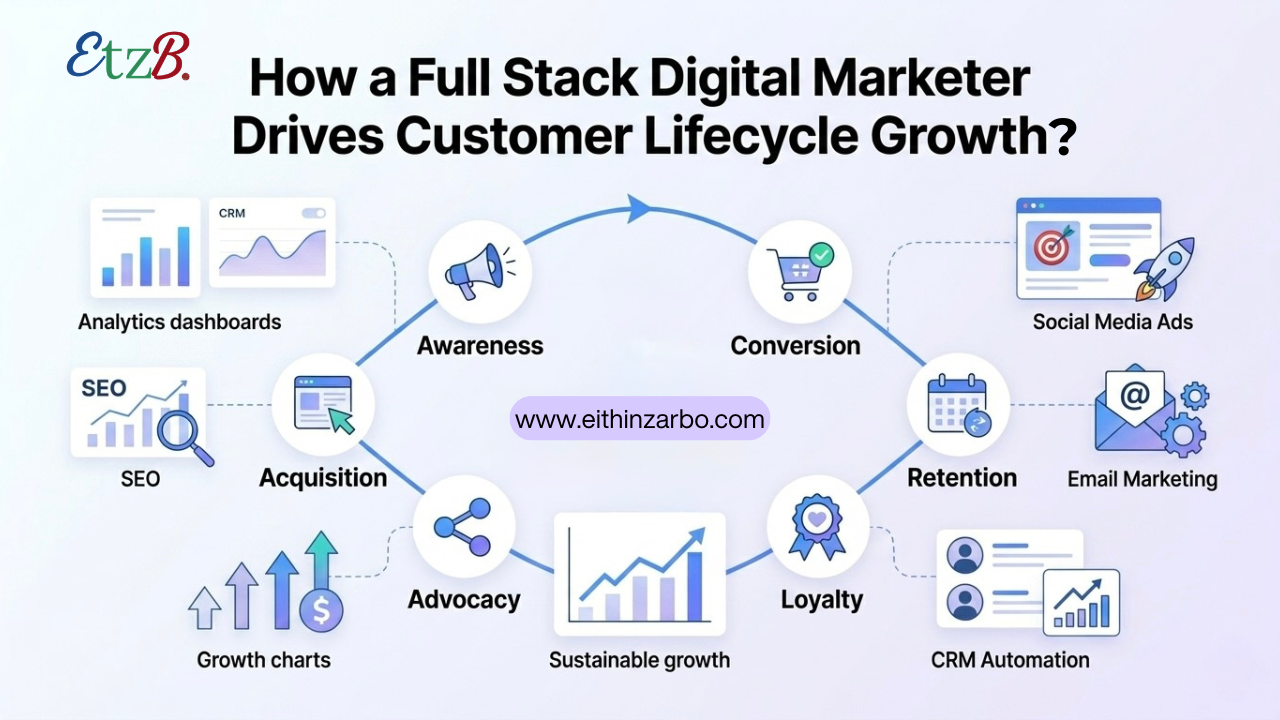
A full stack digital marketer drives customer lifecycle growth by connecting branding, content, performance marketing, analytics, retention, and customer experience into one unified strategy. Instead of focusing only on traffic or acquisition, they optimize every stage of the customer journey from awareness to loyalty and advocacy.
By understanding how different marketing channels and customer touchpoints work together, full stack marketers help businesses:
- Attract the right audience
- Improve conversion rates
- Reduce acquisition costs
- Increase customer retention
- Strengthen brand loyalty
- Drive long-term sustainable growth
Modern marketing success no longer comes from isolated campaigns. It comes from creating connected customer experiences across the entire lifecycle.
Marketing Is No Longer About One Channel
Modern marketing is no longer built around isolated campaigns, single-channel execution, or vanity metrics. Customers move across multiple platforms, devices, and touchpoints before making decisions. They discover brands through content, compare products through reviews, engage through social media, and convert after multiple interactions.
That is why businesses increasingly need marketers who understand the entire customer journey, not just one part of it.
A full stack digital marketer is not simply someone who can run ads or create content. They are marketers who understand how branding, acquisition, retention, analytics, automation, and customer experience connect together to drive sustainable growth.
Instead of focusing only on traffic or engagement, they focus on customer lifecycle growth.
What Is a Full Stack Digital Marketer?
A full stack digital marketer is a marketer who has working knowledge across multiple areas of digital marketing rather than specializing in only one function.
This includes:
- Branding and positioning
- Content marketing
- SEO and Paid Advertising
- Social media marketing
- Email marketing
- Marketing automation
- Data analytics and Reporting
- Customer lifecycle marketing
- Performance marketing and Conversion optimization
- CRM strategy, Retention and loyalty marketing
They may not be the deepest technical expert in every area, but they understand how every marketing function works together as one ecosystem.
The biggest difference is this:
Specialized marketers optimize channels.
Full stack marketers optimize customer journeys.
Why Customer Lifecycle Growth Matters
What is Customer Lifecycle Marketing? Many brands focus heavily on customer acquisition while ignoring what happens after the first conversion. But sustainable growth does not come from constantly chasing new customers alone.
It comes from improving the entire lifecycle:
- Awareness
- Consideration
- Acquisition
- Activation
- Retention
- Loyalty
- Advocacy
A full stack digital marketer understands that every stage affects long-term business performance.
📌 If awareness is weak, acquisition becomes expensive.
📌 If onboarding is poor, retention drops.
📌 If retention fails, lifetime value decreases.
📌 If loyalty is missing, growth slows down.
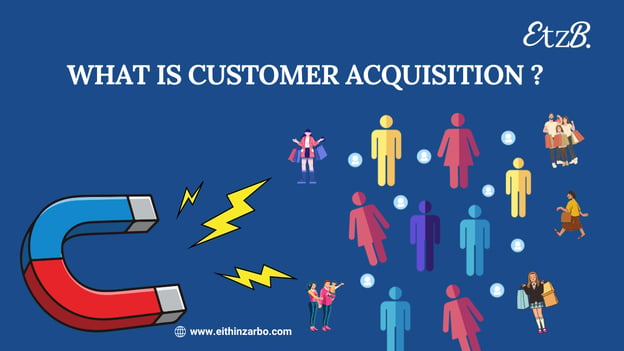
Customer lifecycle growth is about improving every step instead of optimizing only the first conversion. Every customer lifecycle begins with customer acquisition. Read What Is Customer Acquisition in Marketing? to understand how businesses attract new customers.
1. Building Awareness With Strategic Content
Customer journeys often start before a customer even speaks to sales. People search for answers, compare solutions, and consume educational content long before making purchasing decisions.
A full stack marketer creates content that supports discovery across multiple channels:
- SEO blog articles
- Social media content
- Short-form videos
- Educational resources
- Email newsletters
- Search campaigns
The goal is not just visibility. It is attracting the right audience with the right intent.
This is where branding and performance marketing begin working together.
Strong awareness reduces acquisition costs later in the funnel.
2. Turning Traffic Into Qualified Leads
Traffic alone does not create growth. A full stack marketer focuses on conversion systems that turn visitors into leads and leads into customers.
This includes:
- Landing page optimization
- Clear CTAs
- Lead magnets
- Retargeting campaigns
- Conversion-focused copywriting
- CRM integration
- Funnel optimization
Instead of measuring only clicks or impressions, they measure:
- Conversion rate
- Cost per acquisition
- Lead quality
- Customer intent
- Funnel drop-off points
This creates more efficient growth instead of simply increasing ad spend.
3. Using Data to Understand Customer Behavior
One of the biggest strengths of a full stack marketer is the ability to connect marketing decisions with data.
They analyze:
- Traffic sources
- User behavior
- Campaign performance
- Customer retention
- Purchase frequency
- Engagement patterns
- Customer lifetime value
Without analytics, marketing becomes assumption-based.
Data helps marketers understand:
- Which channels actually convert?
- Which campaigns drive revenue?
- Which audiences retain longer?
- Which touchpoints cause drop-offs?
This allows businesses to improve the customer journey continuously instead of relying on guesswork.
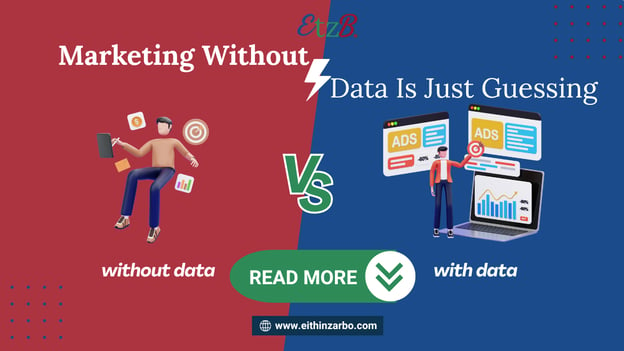
Data helps marketers identify which customer acquisition channels generate the highest quality leads. Learn more in Marketing Without Data Is Just Guessing.
4. Improving Customer Retention
Customer acquisition is expensive. Retaining customers is where long-term profitability often happens. A full stack digital marketer works beyond acquisition and focuses on customer engagement after conversion.
This may include:
- Email automation
- Personalized campaigns
- Loyalty programs
- Re-engagement flows
- Customer education content
- Product usage campaigns
- Community-building initiatives
Retention marketing increases:
- Customer lifetime value
- Repeat purchase behavior
- Brand trust
- Referral opportunities
Growth becomes more sustainable when businesses stop treating marketing as a one-time acquisition function.
5. Connecting Brand and Performance Marketing
Many companies separate branding and performance marketing into completely different strategies. But customers do not experience brands that way. A full stack marketer understands that branding influences performance and performance data strengthens branding decisions.
For example:
- Strong branding improves ad performance
- Clear positioning increases conversion rates
- Consistent messaging improves retention
- Better customer experiences increase referrals
This creates a connected marketing ecosystem instead of disconnected campaigns.
The Role of Customer Lifecycle Marketing
Customer lifecycle marketing plays a major role in full stack marketing because it focuses on delivering the right message at the right stage of the customer journey.
♾️ A customer in the awareness stage needs education.
♾️ A customer in the consideration stage needs trust.
♾️ A new customer needs onboarding.
♾️ A loyal customer needs engagement and recognition.
Lifecycle marketing aligns marketing activities with customer behavior rather than treating every customer the same way.
This improves personalization, retention, and long-term relationship building.
Loyalty is one of the final stages of the customer lifecycle. Discover why loyal customers create sustainable business growth in How Customer Loyalty Drives Business Growth.
Why Businesses Increasingly Need Full Stack Marketer
Marketing channels continue to evolve rapidly. Businesses now operate across:
SEO (Search Engine Optimization)
Search Engine Optimization (SEO) is the process of improving a website’s visibility on search engines like Google to attract qualified organic traffic without relying solely on paid advertising. Businesses use SEO to optimize their website content, keywords, technical performance, and user experience so potential customers can easily find their products or services when searching online.
For a full stack digital marketer, SEO is an essential skill because it drives sustainable customer acquisition, supports content marketing, and provides valuable insights into customer search behavior. By integrating SEO with branding, social media, paid campaigns, and analytics, a full stack marketer helps businesses generate consistent organic traffic and create long-term customer lifecycle growth.
Looking to improve your website’s search rankings and attract more organic traffic? Explore my SEO Services to learn how a strategic SEO approach can help your business reach the right audience and achieve sustainable growth.
Social Media Marketing
Social media marketing is the practice of using platforms such as Facebook, Instagram, LinkedIn, TikTok, and X to build brand awareness, engage target audiences, and support business growth. Businesses use social media to share valuable content, connect with customers, promote products or services, generate leads, and strengthen their online presence through both organic content and paid advertising.
Social media marketing is more than creating posts as a full stack digital marketer,. It is a strategic channel for understanding audience behavior, building relationships, driving website traffic, and supporting every stage of the customer lifecycle. By combining social media with SEO, content marketing, analytics, and CRM, full stack marketers create consistent customer experiences that increase engagement, conversions, and long-term brand loyalty.
Want to grow your brand on social media? Learn more about my Social Media Marketing Services to discover how strategic content and campaigns can help you reach and engage your ideal audience.
Performance Marketing
Performance marketing is a results-driven digital marketing approach that focuses on achieving measurable business outcomes such as website traffic, lead generation, customer acquisition, and sales. Businesses use channels like Google Ads, Meta Ads, LinkedIn Ads, affiliate marketing, and conversion optimization to ensure every marketing investment delivers measurable returns.
Rather than simply launching paid campaigns, a full stack digital marketer continuously monitors performance metrics such as cost per acquisition (CPA), return on ad spend (ROAS), conversion rate, and customer lifetime value (CLV). By combining performance marketing with SEO, content marketing, CRM, and analytics, they optimize the entire customer journey and maximize sustainable business growth.
Email Marketing
Email marketing is a direct communication channel that helps businesses build lasting relationships with customers through personalized messages, newsletters, promotional campaigns, and automated workflows. It allows brands to stay connected with their audience while nurturing leads and encouraging repeat purchases.
Rather than sending one-size-fits-all emails, full stack digital marketers use customer data and segmentation to deliver relevant content at every stage of the customer lifecycle. This approach improves engagement, strengthens customer retention, and increases lifetime value.
Marketplace Marketing
Marketplace marketing involves selling and promoting products through online marketplaces such as Amazon, eBay, Etsy, or regional e-commerce platforms. Businesses use these marketplaces to expand their reach, attract new customers, and increase online sales without relying solely on their own websites.
Understanding how marketplace algorithms, product optimization, advertising, and customer reviews work enables full stack digital marketers to improve product visibility and conversions. Integrating marketplace data with broader marketing strategies also helps create a more consistent customer experience across multiple sales channels.
Mobile App Marketing
Mobile app marketing focuses on attracting users, encouraging app downloads, increasing engagement, and improving long-term user retention. Businesses implement app marketing strategies before and after launch to ensure continuous growth throughout the app’s lifecycle.
A full stack digital marketer combines app store optimization (ASO), paid user acquisition, push notifications, in-app campaigns, and behavioral analytics to improve user experience and retention. This integrated approach supports sustainable growth while maximizing customer lifetime value.
CRM Platforms
Customer Relationship Management (CRM) platforms help businesses organize customer information, track interactions, automate communications, and strengthen customer relationships throughout the buying journey. Popular CRM systems enable sales and marketing teams to manage leads, personalize engagement, and improve customer service.
Instead of treating CRM as simply a database, full stack digital marketers use it as the foundation for customer lifecycle marketing. By connecting CRM with email marketing, automation, analytics, and campaign management, they deliver personalized experiences that improve retention and customer loyalty.
Analytics Tools
Analytics tools collect and measure customer data, marketing performance, and website behavior to help businesses make informed decisions. Platforms such as Google Analytics 4 (GA4), Power BI, and Looker Studio provide valuable insights into traffic sources, user engagement, conversions, and campaign effectiveness.
Data-driven decision-making is one of the defining strengths of a full stack digital marketer. By interpreting analytics across multiple channels, they identify growth opportunities, optimize marketing strategies, and continuously improve the customer journey based on measurable business outcomes.
Hiring separate specialists for every function may not always create alignment. Full stack digital marketers help connect strategy, execution, marketing data, and customer experience together.
They understand how marketing activities influence the entire growth system rather than only individual metrics. This becomes especially valuable for startups, scaling companies, and modern digital businesses that need agile growth strategies.
Conculsion
Digital marketing is no longer just about generating attention. It is about creating connected customer experiences that drive long-term growth across the entire lifecycle.
A full stack digital marketer helps businesses move beyond siloed marketing activities by combining strategy, analytics, performance, branding, and retention into one growth-focused approach.
Because in modern marketing, growth does not happen from one campaign alone. It happens when every stage of the customer journey works together.
 Ei Thinzar Bo