
From Acquisition to Retention: Managing the Complete Customer JourneyIntroduction: What is Customer Lifecycle Marketing?
Customer Lifecycle Marketing is the process I use to guide customers through every stage of their journey from discovering a brand to becoming loyal advocates.
Many businesses focus heavily on customer acquisition, but in reality, long-term growth comes from engagement, retention, and loyalty. This is where a strong lifecycle strategy becomes essential.
If you are running a SaaS product, fintech app, eCommerce platform, or corporate brand, understanding how to manage the full customer journey can significantly increase your customer lifetime value (CLV) while reducing your customer acquisition cost (CAC).
Customer Lifecycle Funnel Overview
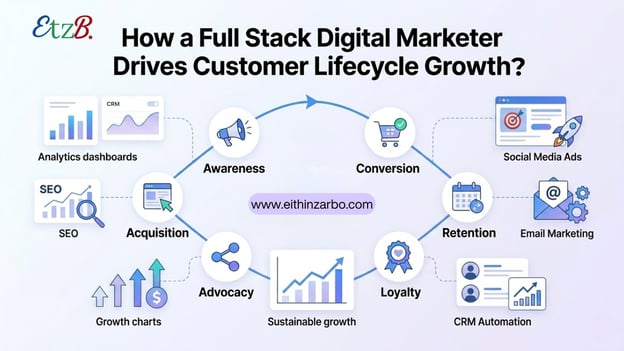
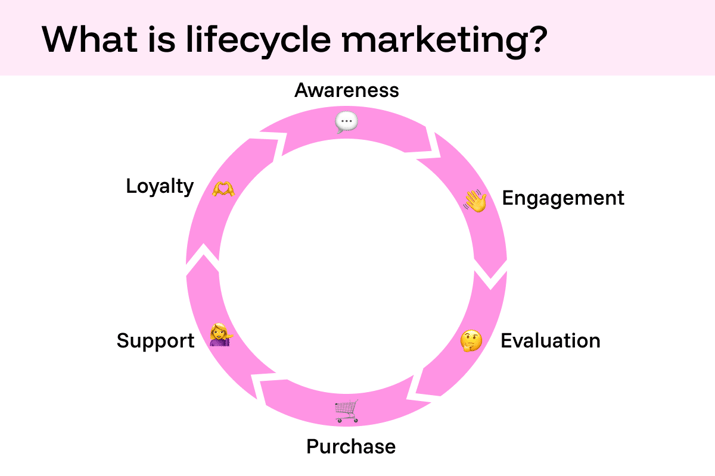
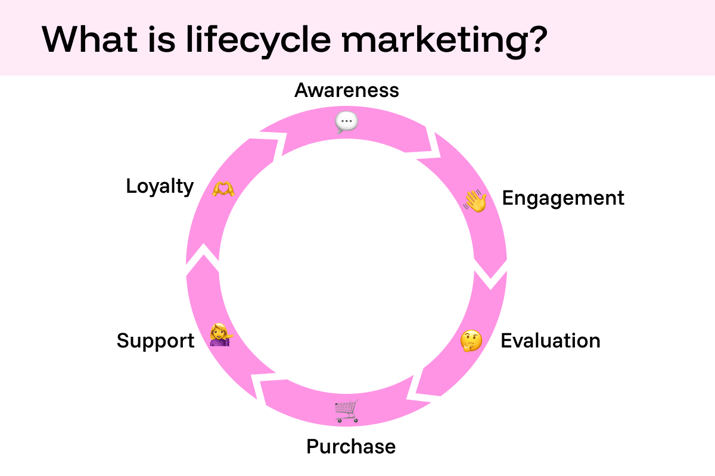
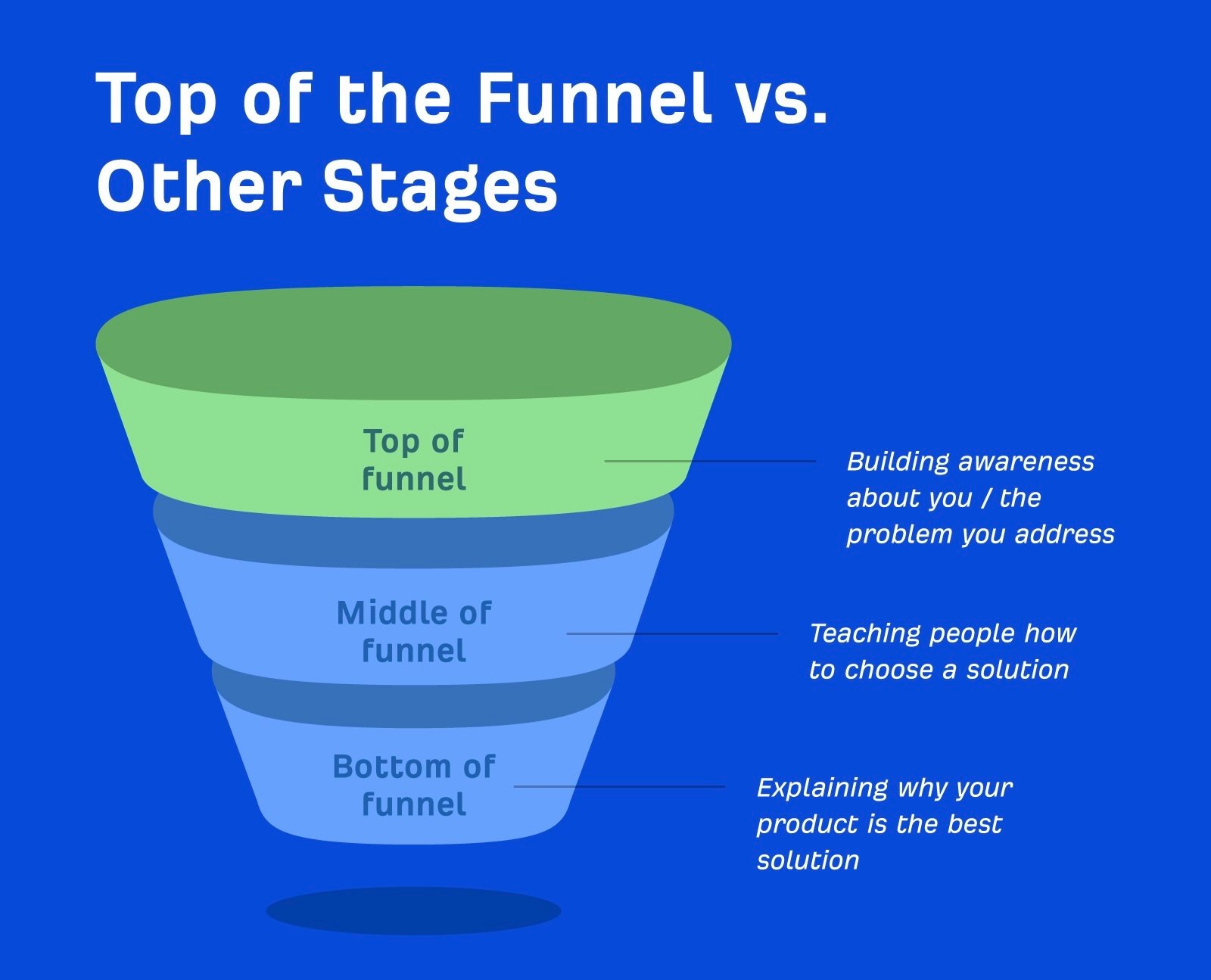
When I think about customer lifecycle marketing, I don’t see it as a series of disconnected campaigns, but rather as a continuous journey that every customer experiences from the very first moment they discover a brand to the point where they actively recommend it to others. The customer lifecycle funnel helps visualize this journey in a structured way, showing how individuals move through five essential stages such as awareness, acquisition, engagement, retention, and loyalty—each representing a deeper level of connection with the brand. While the number of users may gradually narrow as they move down the funnel, what increases is the quality of the relationship and the long-term value each customer brings.
At its core, this model is not just about organizing marketing activities but about shifting the mindset from short-term conversion to long-term relationship-building. Too often, businesses invest heavily in attracting new customers without giving equal attention to what happens afterward, which leads to missed opportunities in engagement and retention. The real objective here is to create a balanced system where every stage supports the next, ensuring that customers are not only acquired but also nurtured and retained over time.
In practice, approaching the lifecycle funnel requires looking at the entire customer experience as one connected flow rather than isolated touchpoints. This means aligning messaging, channels, and strategies across all stages, while continuously identifying where customers drop off and why. A strong funnel is not built by optimizing just one stage, but by ensuring that awareness leads naturally into acquisition, acquisition into engagement, and so on, creating a seamless progression that feels intuitive to the customer.
Ultimately, the lifecycle funnel is less about the funnel itself and more about how well a business understands and manages its customer relationships. When applied thoughtfully, it becomes a powerful framework that drives not only marketing performance but also sustainable growth, because it focuses on building value over time rather than chasing one-time results.
1. Awareness Stage
The awareness stage represents the very first moment when a potential customer comes into contact with your brand, whether through social media, search engines, advertisements, or word-of-mouth, and at this point, the individual is not yet considering a purchase but is instead exploring options, gathering information, and forming initial impressions about different brands in the market. Meaning: this stage is fundamentally about visibility and positioning, where your brand must appear relevant and trustworthy enough to capture attention in a highly competitive digital environment.
Objective: the primary goal here is to reach the right audience segments, increase brand exposure, and generate curiosity that leads users to take a closer look at your product or service. To achieve this effectively, I focus on a combination of strategic channels such as paid media campaigns, SEO-driven content, and engaging social media storytelling, all of which work together to ensure consistent brand presence across multiple touchpoints.
How to achieve: instead of pushing hard sales messages, I prioritize value-driven content that educates, entertains, or solves a problem, because customers at this stage are not ready to buy but are highly responsive to meaningful and relevant information. This may include blog articles, short-form videos, or awareness campaigns that align with audience interests and behaviors.
Conclusion: the awareness stage is the foundation of the entire customer lifecycle, and without strong visibility and clear positioning, it becomes significantly more difficult to move customers into deeper stages of engagement and conversion.
2. Acquisition Stage
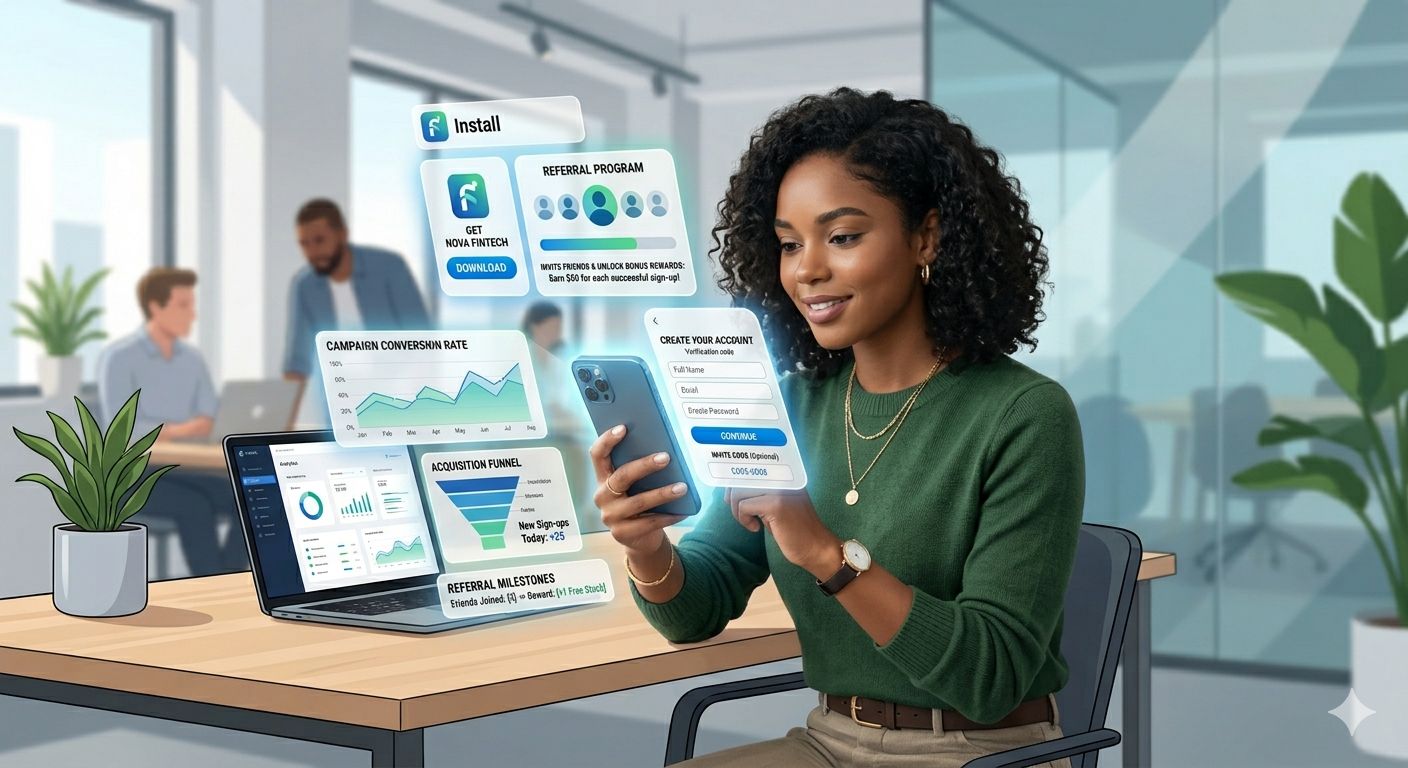
The acquisition stage begins when a potential customer, who has already become aware of your brand, takes a meaningful action that brings them closer to becoming a user or paying customer, such as signing up for a service, downloading an application, or completing a purchase. Meaning: this stage is centered around conversion, where interest is transformed into measurable action.
Objective: the goal is to maximize conversion rates while minimizing friction, ensuring that users can move seamlessly from interest to action without unnecessary barriers or confusion. In this stage, every detail matters, from the clarity of your messaging to the simplicity of your user journey.
How to achieve: I focus heavily on optimizing the customer experience through well-designed landing pages, compelling calls-to-action, and strategic incentives such as discounts, free trials, or signup bonuses, which can significantly increase conversion likelihood. At the same time, I apply A/B testing to continuously refine elements like headlines, visuals, and user flows, ensuring that the highest-performing variations are implemented.
The key principle here is simplicity, because even a small amount of friction such as too many form fields or unclear instructions can lead to significant drop-off rates. Therefore, reducing complexity and guiding users clearly toward the next step is essential.
Conclusion: Customer acquisition is not simply about increasing the number of users, but about acquiring the right users efficiently, and a well-optimized acquisition strategy creates a strong bridge between awareness and long-term customer relationships.
3. Engagement Stage
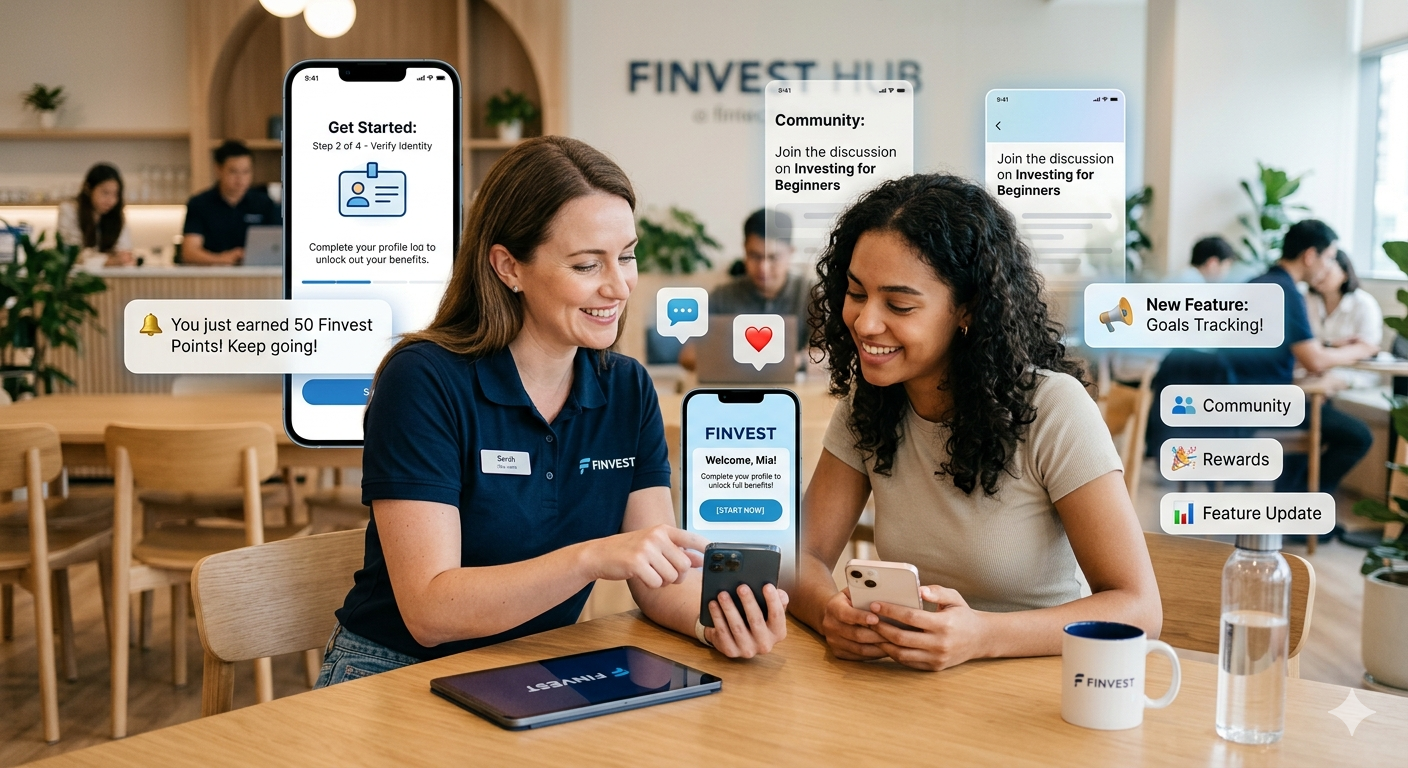
The engagement stage begins once a user has been successfully acquired, and it focuses on how effectively the business can encourage that user to interact with the product or service in a meaningful and consistent way, ultimately shaping their experience and perception of the brand. Meaning: engagement is about building a relationship, where the customer transitions from a first-time user into an active participant.
Objective: the goal is to increase user activity, deepen product understanding, and create a habit that encourages ongoing interaction, which is essential for long-term retention.
How to achieve: I approach this stage by designing a structured onboarding journey that introduces users to the core value of the product as quickly as possible, while also using communication channels such as email, push notifications, and in-app messaging to guide and re-engage users over time. Personalization plays a critical role here, as tailoring content and recommendations based on user behavior significantly enhances relevance and engagement.
A key principle in this stage is speed to value, meaning that the faster users can experience the benefits of the product, the more likely they are to remain engaged and continue using it. However, it is equally important to avoid overwhelming users with too much information at once, and instead deliver value progressively.
Conclusion: engagement is the stage where interest evolves into experience, and without strong engagement strategies, users are likely to drop off before reaching the more valuable stages of retention and loyalty.
4. Retention Stage
The retention stage focuses on maintaining a long-term relationship with customers by encouraging them to continue using the product or service repeatedly, rather than disengaging or switching to competitors. Meaning: retention is about sustaining value and ensuring that customers remain active over time.
Objective: The primary goal is to increase repeat usage or purchases, reduce churn rates, and maximize customer lifetime value, which ultimately drives sustainable business growth.
How to achieve: I implement data-driven strategies that leverage customer insights to deliver personalized experiences, such as targeted offers, loyalty programs, and tailored communication campaigns that align with individual preferences and behaviors. Additionally, maintaining a strong customer support experience is essential, as it directly impacts customer satisfaction and trust.
A key strategy in this stage is personalization, because customers are more likely to stay engaged when they feel understood and valued. By analyzing behavioral data, businesses can anticipate customer needs and deliver timely, relevant interactions that reinforce the relationship.
Conclusion: retention is where businesses begin to see the real return on their marketing investment, and companies that excel in retention consistently outperform those that rely solely on acquiring new customers.
5. Loyalty Stage
The loyalty stage represents the most advanced and valuable phase of the customer lifecycle, where satisfied customers not only continue to engage with the brand but also actively promote it to others, becoming powerful advocates. Meaning: loyalty extends beyond repeat behavior and reflects a deeper emotional connection between the customer and the brand.
Objective: the goal is to increase referrals, strengthen brand advocacy, and build long-term relationships that contribute to organic growth.
How to achieve: I focus on creating meaningful experiences that go beyond transactional interactions, such as referral programs, exclusive benefits, and community engagement initiatives that make customers feel valued and appreciated. Encouraging customers to share their experiences through reviews, testimonials, and social media further amplifies brand credibility and reach.
A key principle here is trust, because people are far more likely to believe recommendations from other customers than from traditional advertising. By nurturing loyal customers and recognizing their contributions, businesses can turn them into influential promoters.
Conclusion: loyalty transforms customers into growth drivers, and when managed effectively, it creates a self-sustaining cycle where customers not only return but also bring new customers with them, strengthening the overall marketing ecosystem.
Key Metrics in Customer Lifecycle Marketing
Understanding customer lifecycle marketing without measuring performance is incomplete, because every stage of the journey from awareness to loyalty relies on data to reveal what is working, what is not, and where optimization is needed. The real strength of lifecycle marketing comes from the ability to continuously refine strategies based on measurable insights, and this is where key performance metrics become essential. Rather than looking at these metrics in isolation, I approach them as interconnected signals that reflect the health of the entire customer journey, helping me make informed decisions that improve both short-term campaign results and long-term customer value.
At the beginning of the lifecycle, Customer Acquisition Cost (CAC) plays a critical role in evaluating how efficiently a business is able to acquire new customers, as it measures the total cost of marketing and sales efforts required to bring in a single user. When CAC is too high, it often indicates inefficiencies in targeting, messaging, or channel selection, which means adjustments are needed to ensure that acquisition strategies remain sustainable. Closely connected to this is the Conversion Rate, which reflects how effectively traffic is being turned into actual users or customers, and a low conversion rate usually signals friction within the user journey, whether in the landing page experience, call-to-action clarity, or overall value proposition.
As customers move further into the lifecycle, the focus shifts toward how actively they interact with the product or service, and this is where Engagement Rate becomes a key indicator of user behavior and interest. High engagement suggests that users are finding value and building a habit, while low engagement often serves as an early warning sign of potential drop-off. This naturally leads to the importance of Retention Rate, which measures how many customers continue to stay active over time, providing a clear view of how well the business is maintaining relationships and delivering consistent value. In contrast, Churn Rate highlights the percentage of customers who stop using the product, and understanding churn is particularly important because it reveals gaps in the customer experience that need to be addressed.
At a more strategic level, Customer Lifetime Value (CLV) ties everything together by estimating the total value a customer brings to the business throughout their relationship, making it one of the most important metrics for long-term growth. When CLV is significantly higher than CAC, it indicates a healthy and scalable business model, whereas a low CLV suggests the need to improve retention, engagement, or monetization strategies.
To better understand how these metrics align across the lifecycle, the table below provides a simplified view:
|
Metric |
Lifecycle Stage |
What It Indicates |
|
CAC |
Acquisition |
Cost efficiency of acquiring new customers |
|
Conversion Rate |
Acquisition |
Effectiveness of turning traffic into users |
|
Engagement Rate |
Engagement |
Level of user interaction and activity |
|
Retention Rate |
Retention |
Ability to keep customers over time |
|
Churn Rate |
Retention |
Loss of customers and potential experience gaps |
|
CLV |
Overall Lifecycle |
Long-term value generated per customer |
What makes these metrics truly powerful is not just their individual meaning, but how they are used together to guide continuous improvement, because optimizing one stage without considering the others can create imbalance within the lifecycle. By consistently monitoring and analyzing these indicators, I am able to identify opportunities, adjust strategies, and ensure that every stage of the customer journey contributes to sustainable growth.
Ultimately, these metrics are more than just numbers on a dashboard; they are the foundation for smarter decision-making, enabling businesses to move beyond assumptions and build marketing strategies that are both data-driven and results-oriented.
Customer Lifecycle Strategy Example
(Fintech App Perspective in Myanmar Market)
To better understand how customer lifecycle marketing works in practice, I find it most effective to translate theory into a real-world scenario, and one of the most relevant examples for our market is a fintech or mobile wallet application, where user growth, engagement, and retention are highly dependent on well-designed lifecycle strategies. In this context, each stage of the lifecycle is not only clearly defined but also deeply connected to user behavior and local market dynamics, especially in Myanmar where referral programs and promotional campaigns play a significant role in driving adoption.
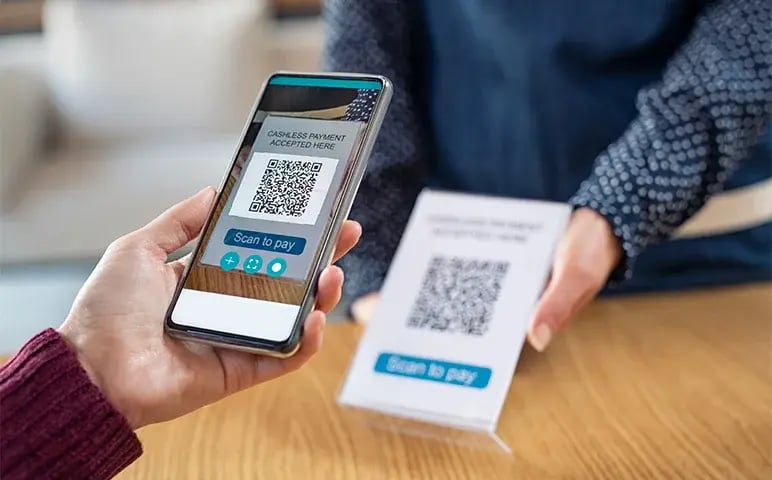
At the awareness stage, the focus is on creating strong visibility and initial interest through social media advertising, campaign launches, or even rebranding efforts that reposition the product in the market, while also promoting key initiatives such as referral programs to spark curiosity and encourage word-of-mouth from the very beginning. Moving into the acquisition stage, strategies become more conversion-driven, where referral programs prove to be particularly effective in the Myanmar fintech landscape, as users are more likely to trust recommendations from friends and family, while app install campaigns are widely used to scale user growth and bring new users into the ecosystem efficiently.
As users enter the engagement stage, the priority shifts toward building familiarity and confidence in using the application, which can be achieved through onboarding experiences such as guided tutorials or even person-to-person explanations provided by onboarding staff, especially during offline activations or community-building events that help bridge the gap between digital products and real-life interaction. At the same time, continuous engagement is supported through push notifications, feature updates, and relevant communication that keeps users informed and encourages ongoing usage.
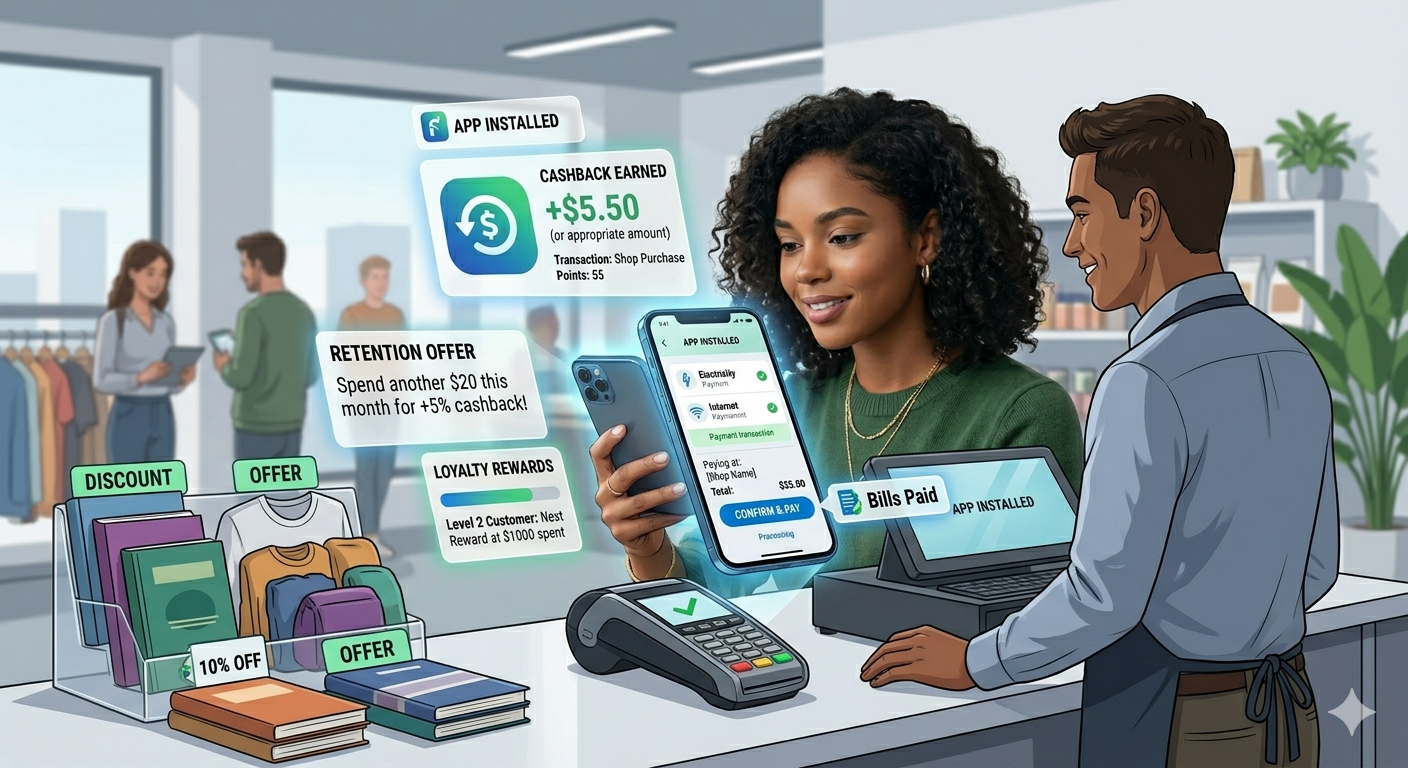
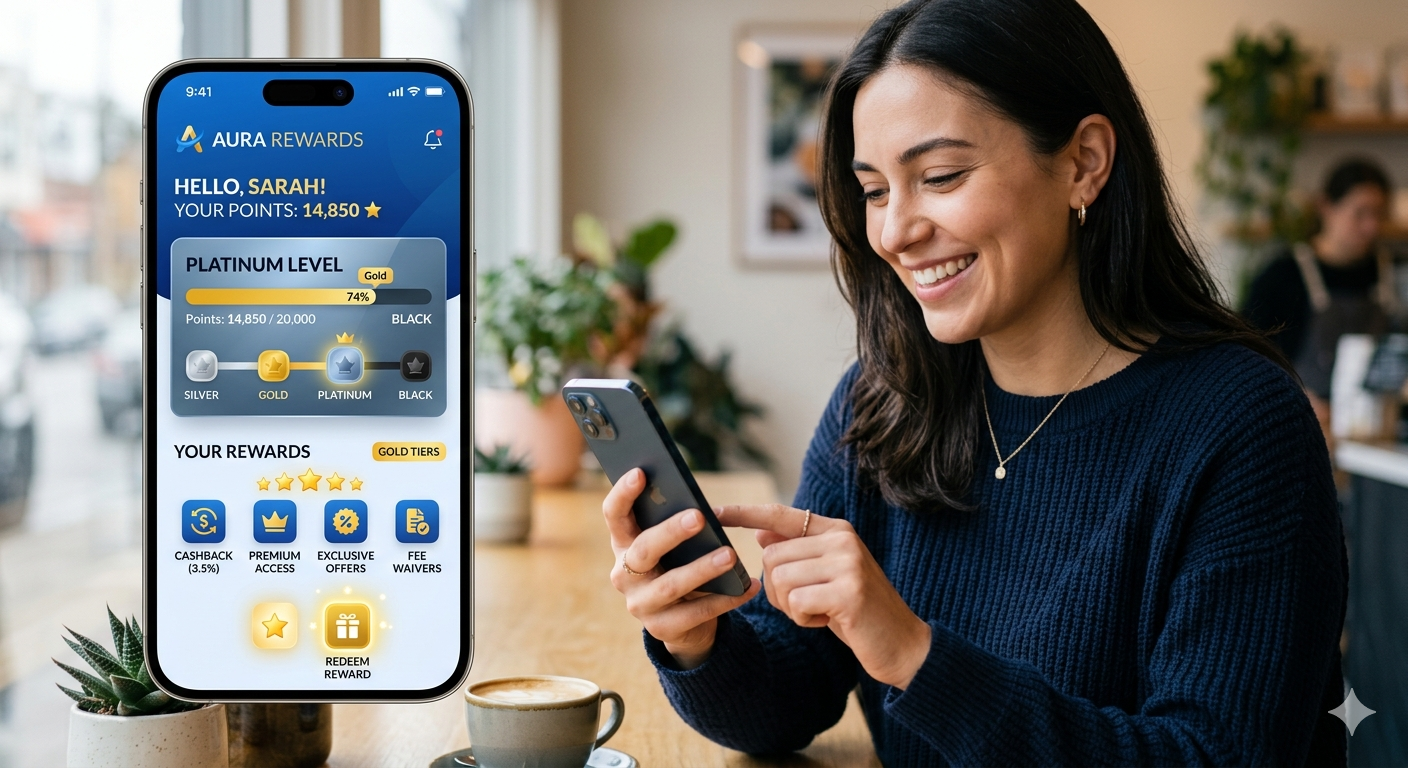
In the retention stage, the strategy becomes more value-driven, where users are incentivized to continue using the app through cashback rewards, promotional campaigns with merchant partners, and practical benefits such as discounts on everyday transactions like utility bills or internet payments, all of which reinforce the usefulness of the app in daily life. Finally, at the loyalty stage, the focus evolves into strengthening long-term relationships by introducing point systems or tier-based programs, where the more transactions users make, the more benefits they receive, creating a sense of progression and exclusivity that encourages continued engagement.
This example highlights how a well-structured customer lifecycle strategy is not just theoretical, but highly actionable, and when adapted to local behaviors and preferences, it becomes a powerful driver of growth, engagement, and long-term customer value in the fintech industry.
Conclusion
Customer lifecycle marketing is not just a framework that I apply to structure campaigns, but a mindset that reshapes how I view the relationship between a business and its customers over time, because true growth does not come from one-time conversions but from consistently delivering value at every stage of the journey. When businesses focus only on acquisition, they often fall into the cycle of constantly chasing new customers while neglecting the ones they have already earned, which not only increases costs but also limits long-term potential. In contrast, managing the full lifecycle—from awareness to loyalty—creates a more balanced and sustainable approach where each stage supports the next and contributes to overall business performance.
What becomes clear through this perspective is that customers are not simply transactions, but evolving relationships that require different strategies, communication, and experiences at different moments in their journey. By understanding this, businesses can move beyond fragmented marketing efforts and begin to design more intentional, connected experiences that guide customers naturally from one stage to another, reducing friction and increasing satisfaction along the way. This shift allows marketers to identify where improvements are needed, whether in engagement, retention, or conversion, and to take action based on real insights rather than assumptions.
For anyone reading this, the key takeaway is not just to understand the stages or metrics, but to rethink how you approach your customers as a whole, because when you start managing the entire journey instead of isolated touchpoints, you unlock opportunities for deeper relationships, stronger loyalty, and more consistent growth. Businesses that embrace this approach are not only able to optimize their marketing performance but also build a foundation that supports long-term success, where customers return, engage, and ultimately become advocates who contribute to the brand’s ongoing growth.
 Ei Thinzar Bo